


About the Project
Modern Energy Cooking Services (MECS) is an eight-year research programme funded by UK Aid (FCDO). We are a geographically diverse, multicultural and transdisciplinary team working in close partnership with NGOs, governments, private sector, academia and research institutes, policy representatives and communities in 16 countries of interest to accelerate a transition from biomass to genuinely ‘clean’ cooking.
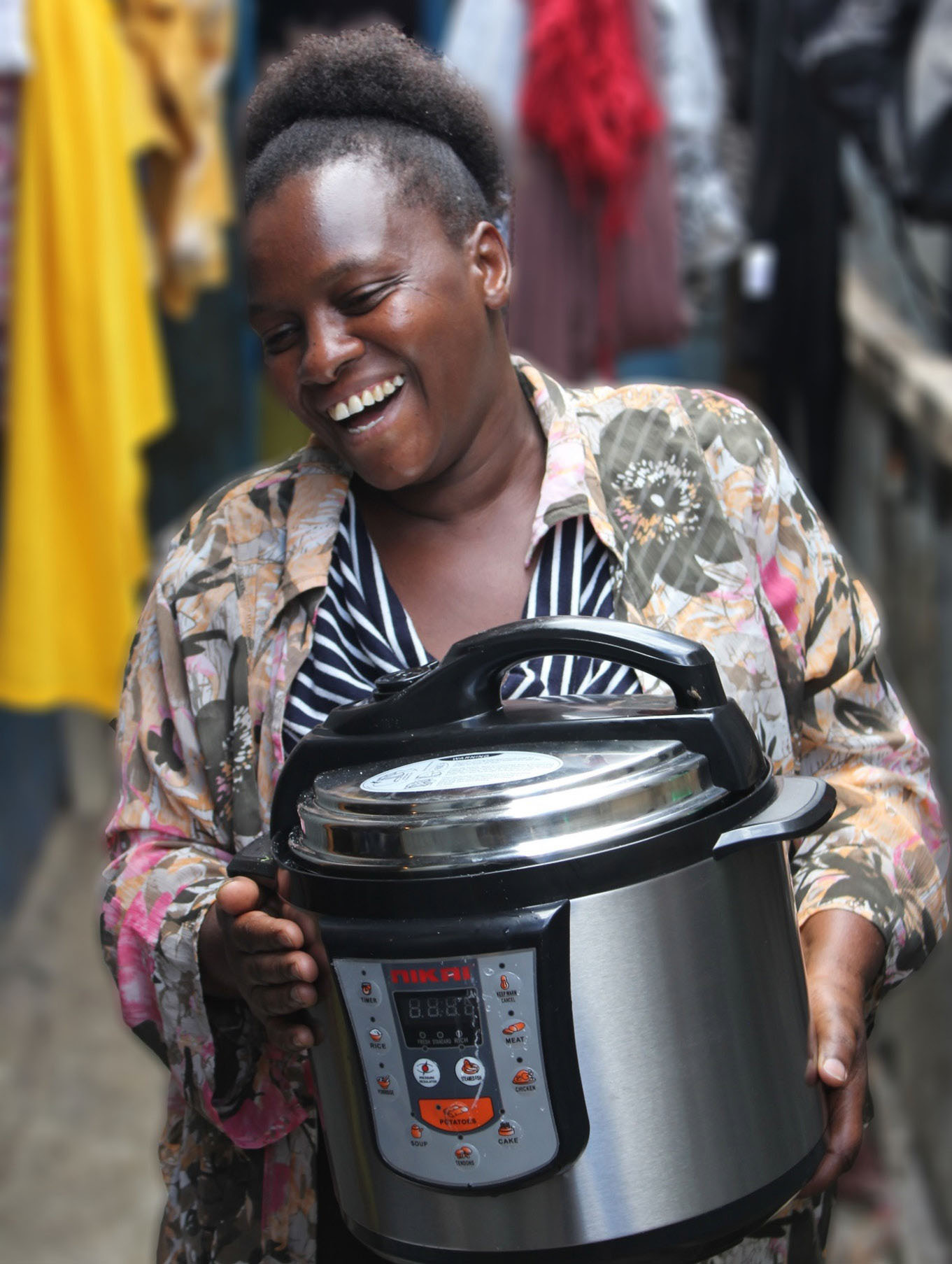
In seeking to spark a new approach to clean cooking, the programme researches the socio-economic realities of a transition from polluting fuels to a range of modern fuels. Whilst the research covers several clean fuels, the evidence is pointing to the viability, cost effectiveness, and user satisfaction that energy efficient electric cooking devices provide
Objectives of the Project
Looking to the Future
There are strong opportunities for job creation, business creation, and family supporting actions such as schools feeding programmes.
We remain open to other research and approaches that include other fuels such as ethanol, bioLPG or hydrogen. Our priority is for households to have a genuine clean cooking experience – clean in terms of air quality, clean in terms of the environment, and clean in terms of lifestyle.
See More of Our Projects
Explore More Our Projects and Partnerships.
Sunsafe Project
Data-Driven Utility Management for Demand Response and Incentivizing Green Energy Transition in Africa
eCAP
Kenya National eCooking Strategy (KNeCTS)
Energy Delivery Models (EDM) East Africa Hub.
Become a Partner
Gamos East Africa also seeks to build the capacity of its associates to identify and implement equally transformative opportunities in the future.