



When the school adopts the self-cooking feature, findings from the CCT experiment indicate that daily energy consumption reduces to 11.74 kWh, with cooking time decreasing to approximately 2.5 hours. This lowers daily cooking costs to about Ksh 352, translating to an annual cost of Ksh 70,440.
By Joseph Kariuki, Research Associate, Gamos East Africa
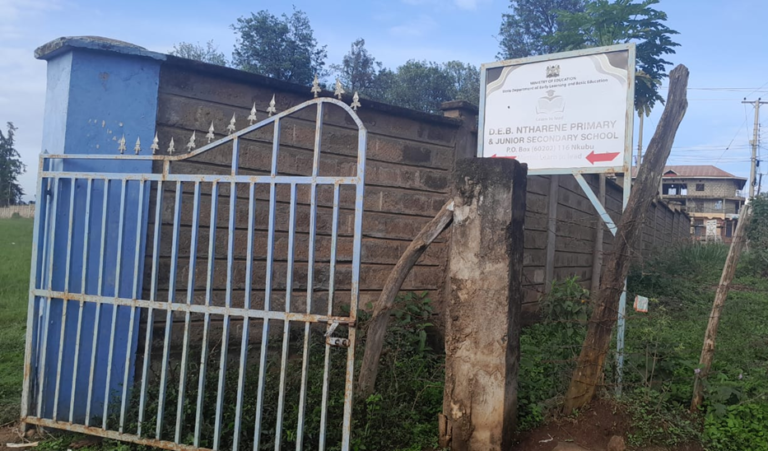
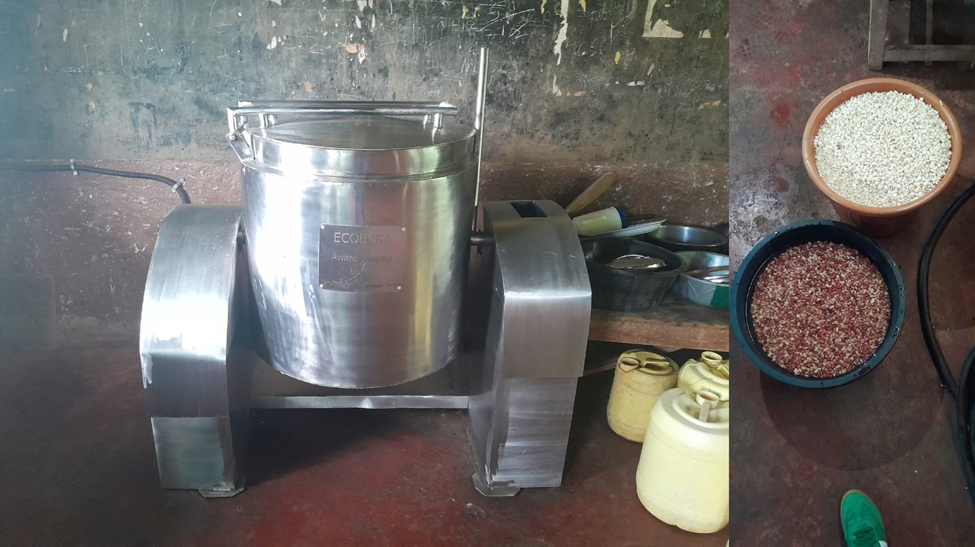
CLASP, in collaboration with Ecobora and MECS Kenya team, piloted a 300L electric cookstove in 8 learning institutions in the country with the aim of monitoring, collecting data, and comparing their performance against traditional cooking methods such as the three-stone fire and improved cookstoves while observing the challenges that would otherwise hinder a transition to electric Cooking (eCooking). In this blog, we focus on the learnings from one of the schools, D.E.B. Ntharene Primary & Junior Secondary School in Meru County.
While electric cook stoves are such impressive equipment, the most crucial findings were not about stove design, circuits, or heating elements. They were surprisingly human-centric, low-tech, and rooted in behavior. This blog explores four key takeaways that show how simple adjustments and old-fashioned wisdom are essential for unlocking the full potential of electric Cooking.
A Single Setting holding the key to Efficiency
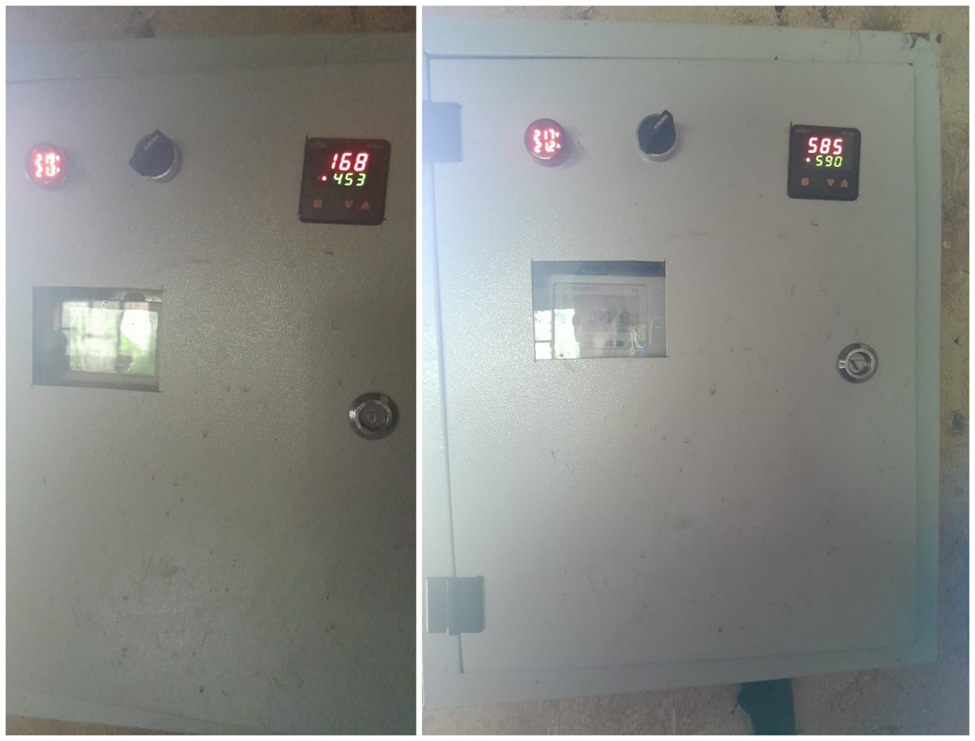
Upon arrival, we learned that the school’s cooks had been struggling. During the third term, which begins from September to early November, the same quantity of githeri that previously took them around three hours to prepare was now taking up to five hours. The cause was not a mechanical failure, but a simple, overlooked detail: the stove temperature had been preset too low, capped at 400°C.
This low temperature meant the stove was taking far longer to bring water to a boil, dramatically increasing both cooking time and energy consumption. We identified the issue and adjusted the setting to the correct 600°C. A conversation with the cooks revealed they were aware it was taking longer than it did before but had never thought of communicating it with Ecobora for assistance. For them, despite the longer hours, food eventually would be ready, and in comparison, to when they previously cooked using firewood, this was better.
The Magic Happens after you turn the Stove Off
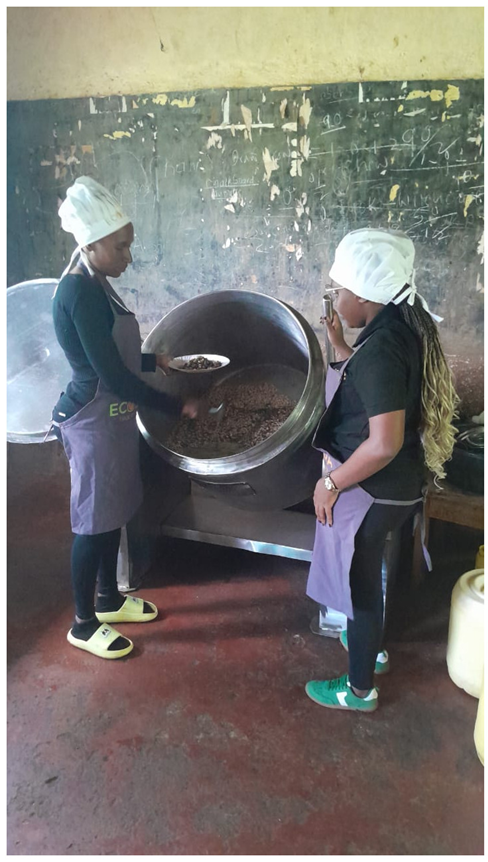
A major concern for the school’s cooks was ensuring the daily meal was ready by 12:30 pm serving time. This pressure led them to believe they needed to keep the stove running for hours for food to be ready before then. However, the CCT and training we performed with them revealed a powerful and energy-saving feature of the stove, the self-cooking option, that despite knowing about, they were not utilizing.
High-Tech Cooking still Depends on Low-Tech Prep
| Parameter | Start (8:09 AM) | 2-Hour Check (10:09 AM) | End (10:39 AM) |
| Smart Meter Reading | 1063.39 kWh | 1071.66 kWh | 1075.13 kWh |
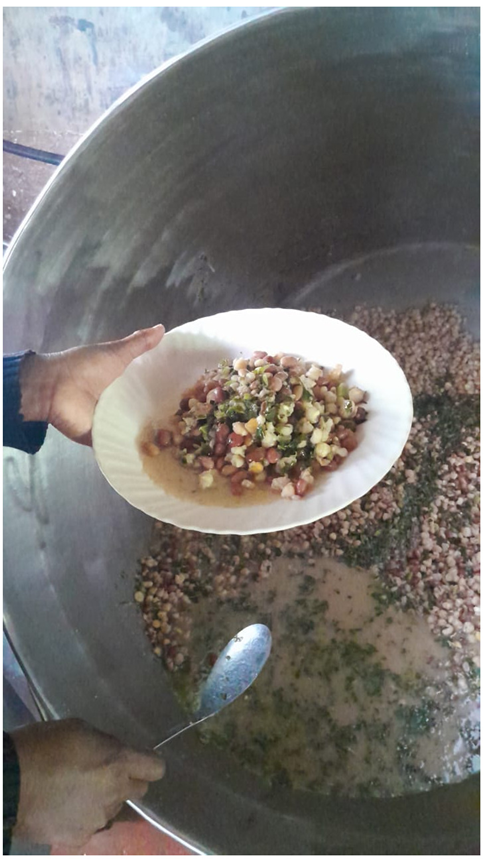
| Food Status | Cleaned ingredients added to 50 litres of water | Maize ready; red beans unready, other beans ready | All food is ready for self-cooking |
| Active Boiling Time | N/A | 2 Hours | 2.5 Hours (150 mins) |
| Food Prepared | 16 kg Githeri (10 kg Maize, 6 kg Beans unsoaked) | ||
| Post-Boil Period | 1 Hour (Self-Cooking) |
Table 1: Summary of data collected during the CCT.
The solution, as the cooks learned, was not more power, but a simple, traditional preparation method: soaking the cereals beforehand. Based on this finding, the cooks learned that soaking that variety of red beans, which is the most common in the area, beforehand, is essential to meet the target cooking time.
In a key outcome of the training, they agreed to apply this method when schools reopen next year so they can observe the difference in efficiency. It highlighted a critical lesson: technological solutions must be integrated into the entire workflow. To achieve peak efficiency with a high-tech stove, you must also pay attention to the low-tech processes that have always been part of cooking.
Further efficiency gains are achieved when cereal soaking is combined with the self-cooking feature. In this scenario, daily consumption drops to 8.27 kWh and cooking time to about 2 hours, reducing cooking costs to approximately Ksh 248 per day or Ksh 49,620 annually.
A Simple Diary is a Powerful Diagnostic Tool
To ensure the lessons from the training session would stick, the final intervention was decidedly low-tech. The headteacher and cooks agreed to maintain a simple cooking diary to log the start and end times for each meal while keeping track of energy consumption. This diary serves as more than just a troubleshooting log; it is a powerful strategic tool. By tracking cooking times, the school can quickly spot deviations in i.e., time it takes to boil water, and if they notice an increase, they can report to Ecobora for support.
Conclusion
The session at Ntharene Primary School was a success, mostly because it unearthed the critical, real-world factors that determine whether a technology truly works for the people using it.
The path to efficiency was paved by adjusting a temperature setting, trusting residual heat, adapting food prep, and keeping a simple log. With these behavioral adjustments, the school can achieve the CCT target two-hour cooking time we had at a daily cost of approximately 248 Ksh to prepare lunch for the students, or even lower than that.
These findings prove that successful technology adoption is about more than just the hardware. It hinges on addressing human behavior, adapting old habits that are proven to help reduce cooking time, and implementing simple, supportive processes that empower users to get comfortable with the new appliance and use it efficiently.